


Views: 0 Author: Site Editor Publish Time: 2026-04-06 Origin: Site


Production rarely stops because of a single catastrophic failure. However, the cumulative effects of wear and tear on key components can have a significant impact over time. Many operators only start to notice issues with the woven Belt when it begins to fray, slip, glaze, or require frequent replacement. But what many fail to realize is that the woven Belt is a critical component in the ironing process, directly affecting the movement of garments, the quality of the finish, and overall system efficiency. At iFeltek, we aim to help customers understand why woven belts wear out prematurely, the underlying causes, and how selecting the right belt can improve the overall operation of ironing systems.
While the replacement cost of a worn belt is the most apparent expense, the true cost goes much deeper. Frequent belt replacements lead to hidden costs, such as downtime, production delays, and inefficiencies in the ironing process.
For example, when a belt needs to be replaced, operators must stop the production line, remove the worn-out belt, and install a new one. During this time, the system is not operational, which results in reduced throughput. Additionally, there is always the risk of fabric mishandling during the replacement process, leading to potential quality issues.
But it doesn’t stop there. Worn belts can also affect finish consistency. A frayed or glazed belt may not support the garment properly, causing uneven pressure and steam distribution. This can result in inconsistent ironing quality and increased labor costs as garments need to be reprocessed.
It’s easy to assume that belt wear is simply part of normal usage, but premature belt wear often indicates that the wrong type of belt has been selected for the specific application. When the material of the belt does not match the machine's operating conditions—whether it’s heat, moisture, or mechanical stress—the belt wears out faster than expected.
For example, a woven belt designed for lower temperatures may not hold up well in high-heat environments, causing it to degrade quickly. Similarly, belts that are too thin or not made from the right materials may break down under continuous tension and friction, contributing to increased wear.
Understanding these mismatches is crucial for improving belt life and operational efficiency. It's not about accepting frequent wear but about recognizing when the choice of belt is causing more harm than good.
Ironing machines are subjected to extreme conditions. The belts in these machines must handle high temperatures, continuous friction, and sustained tension, all of which contribute to the degradation of the material over time.
Heat is a primary factor that accelerates belt wear. As the belt is exposed to high temperatures, it becomes more susceptible to deformation. Certain materials, especially those not engineered for high-heat environments, may lose their elasticity, causing the belt to stretch, lose shape, and ultimately fail.
Friction, from both the machine's moving parts and the fabric passing through the system, further exacerbates wear. The constant rubbing against surfaces causes the belt to lose its smoothness, leading to surface abrasion and weakening the material. Over time, this friction leads to the belt fraying, glazing, or even tearing.
Finally, continuous tension placed on the belt, as it moves garments or flatwork through the system, adds mechanical stress. Over time, if the belt is not designed to handle this sustained tension, it can break or stretch beyond its useful limits.
Another factor that significantly impacts the lifespan of a woven belt is exposure to moisture, steam, and chemicals. The ironing process is inherently humid, with steam being a constant factor in many systems. This moisture, if not properly managed, can weaken the belt material, causing it to degrade prematurely.
Moreover, many industrial laundries use detergents and other chemicals that can accelerate the breakdown of the belt material. Prolonged exposure to these substances can cause the belt to weaken and lose its ability to support fabrics properly.
In addition to moisture and chemicals, the overall operating environment plays a role in belt wear. High-humidity areas or spaces with significant temperature fluctuations increase the strain on the belt, reducing its effectiveness and shortening its service life.
Not all woven belts are created equal. When selecting a belt, it is essential to ensure that the material matches the specific conditions of the ironing machine. The temperature, load capacity, and working conditions of the machine all need to be considered in order to select the most suitable belt material.
For example, a belt used in a high-temperature ironing machine must be made from heat-resistant material, such as high-performance synthetic fibers, to ensure it does not warp, melt, or lose strength when exposed to extreme heat. Similarly, if the machine operates under heavy-duty conditions, such as continuous, high-volume production, the belt needs to be more durable and resistant to wear and tear.
If the wrong material is chosen—one that is not suitable for the temperature or load—the belt will wear out prematurely. Over time, it may lose its shape, become damaged by heat, or tear due to excessive strain.
The size and construction of the belt are also crucial in ensuring optimal performance. A belt that is too small or too large for the ironing machine can create tension problems, which leads to uneven movement and, eventually, increased wear. A poorly installed belt—whether it’s improperly aligned or tensioned—also contributes to quicker degradation.
Belts that are not installed properly may slip, resulting in uneven feeding or inconsistent movement of the fabric. This can cause wrinkles, misalignment, and surface damage to garments. Similarly, improperly sized belts may not provide adequate support to heavier garments or dense materials, resulting in increased strain on the belt and premature failure.
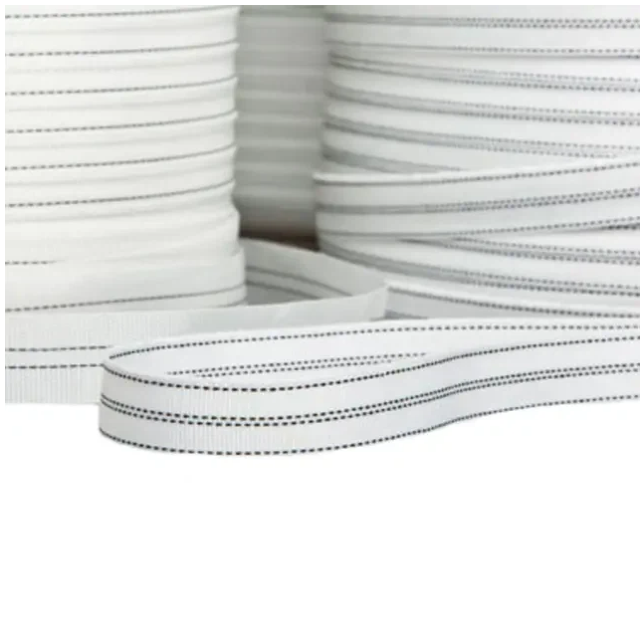
It is crucial to monitor the condition of the belt regularly for visible signs of wear. Surface damage, such as fraying, rough patches, or glazing, indicates that the belt is no longer performing optimally. These types of wear affect the smoothness of the fabric's movement and may lead to fabric damage.
Loss of tracking is another key sign of a worn belt. When the belt becomes misaligned or no longer moves in a straight line, it causes uneven feeding, which leads to inconsistent processing and finishing.
Unstable conveying can result in fabrics slipping or getting caught, which disrupts the smoothness of the ironing process. This instability is often a sign that the belt is starting to wear out or is no longer properly tensioned.
Perhaps the most significant indicator of a worn-out woven belt is quality issues in the finished product. If garments or flatwork items consistently come out of the machine with wrinkles, misalignment, or uneven heat application, the belt is likely contributing to these problems. These issues can lead to rework, additional labor costs, and ultimately affect the overall production quality.
It’s important to address these symptoms quickly, as they not only reduce product quality but also lead to increased operational costs.
One of the best ways to extend the life of a woven belt is by implementing consistent maintenance routines. This includes regularly checking the belt for signs of wear, ensuring that it is properly aligned and tensioned, and cleaning it to remove any debris that may contribute to surface damage.
In addition, monitoring the overall condition of the machine and ensuring that all components are working correctly will help reduce strain on the belt. By adopting a proactive maintenance approach, you can catch potential issues early and prevent them from becoming larger problems.
The quality of the material used for the belt is essential for its longevity. Choosing a high-quality, durable belt made from heat- and abrasion-resistant materials will ensure that it can withstand the harsh conditions of ironing machines for longer periods.
At iFeltek, we prioritize the use of premium materials and ensure that our woven belts are engineered to meet the specific needs of high-performance ironing systems. Consistent product quality from a reliable supplier helps minimize belt failures and ensures that replacements are as reliable as the original belts.
It’s not always easy to decide when to replace a worn belt, but the longer a belt is used past its optimal point, the higher the long-term costs will be. Frequent rework, inconsistent processing, and increased downtime add up quickly. As wear accelerates, the performance of the machine itself can start to degrade.
If you notice that the belt is causing issues such as slipping, misalignment, or more frequent maintenance, it's time to consider replacing it. In these cases, the cost of replacement will often be outweighed by the benefits of improved efficiency and product quality.
When it’s time to replace a belt, it’s important to provide the right information to suppliers so they can recommend the best replacement. This includes details about the machine type, belt dimensions, and any issues observed during operation.
By preparing this information, you can ensure that the replacement belt is perfectly suited to your needs, improving overall performance and extending the life of the new belt.
Symptom | Likely Cause | Effect on Ironing Line | Recommended Action |
Fraying edges | Excessive tension or misalignment | Reduced stability | Adjust alignment and tension |
Surface glazing | Heat and friction buildup | Poor grip and slipping | Use heat-resistant material |
Uneven wear | Incorrect installation or tracking | Inconsistent movement | Reinstall and realign belt |
Short lifespan | Material mismatch | Frequent replacements | Select suitable specification |
Moisture damage | High humidity exposure | Reduced durability | Improve airflow and material choice |
The woven belt in an ironing machine plays a crucial role in the smooth operation of the entire system. Worn belts don’t just affect transport—they cause quality issues, increase operational costs, and disrupt production efficiency. By understanding why belts wear out prematurely and choosing the right belt material for specific applications, buyers can significantly reduce downtime and improve overall performance. At iFeltek, we provide high-quality woven belts designed for high-performance ironing and laundry applications, helping our customers achieve better efficiency and more consistent results. If you are experiencing frequent belt failures or want to optimize your ironing system, contact us to explore our durable and application-specific solutions.
1. Why do woven belts wear out faster in ironing machines?
The heat, friction, and constant tension in ironing machines accelerate the wear and tear of belts, especially if they are not made from heat-resistant materials.
2. Can the wrong material lead to premature belt wear?
Yes, using a belt that does not match the machine's operating temperature, load, or conditions can significantly reduce its lifespan.
3. How can I extend the life of my woven belt?
Regular maintenance, proper alignment, and selecting high-quality materials designed for your specific machine conditions will help extend the life of the belt.
4. When should I replace my woven belt?
When the belt shows signs of significant wear, such as fraying, glazing, or slipping, or when it starts affecting garment finishing quality, it is time to replace the belt.
