


Views: 0 Author: Site Editor Publish Time: 2026-03-25 Origin: Site


Replacing an ironing table layer often turns into a real dilemma. Many operators hesitate between continuing with traditional padding or upgrading to Silicone Foam, especially when past solutions seemed “good enough” for daily work. Yet, once finishing quality starts to fluctuate, garments feel slightly damp after pressing, or operators need to re-adjust machines more frequently, the limitations of conventional padding quickly become visible. In real production environments, even small inconsistencies can accumulate into noticeable efficiency loss. At iFeltek, we focus on materials designed specifically for ironing applications, helping users move from basic functionality toward stable, high-quality finishing performance.
In garment finishing, many people naturally focus on steam pressure, temperature settings, or operator skill. However, the physical structure beneath the ironing surface plays an equally important role. The pressing result is not created by one factor, but by a system consisting of the cover, the padding layer, and the supporting base.
When fabric comes into contact with the ironing surface, the padding determines how pressure is distributed and how steam interacts with the garment. If the padding layer lacks uniformity or stability, even a well-calibrated machine will produce uneven results. For example, thicker garment areas may not receive sufficient pressure, while thinner sections may be over-pressed.
Silicone Foam provides a balanced support structure that adapts to different fabric conditions while maintaining overall surface consistency. This allows operators to achieve a more controlled and predictable pressing process.
In many factories, padding is not considered a critical component until problems start affecting production. These problems often appear gradually rather than suddenly. At first, operators may notice slight variations in finishing quality. Over time, these variations become more frequent, leading to increased rework and slower throughput.
Typical signs include garments that feel slightly wet after pressing, visible marks or impressions on delicate fabrics, or the need to increase pressure to achieve the same result. In some cases, operators may even compensate by adjusting machine settings, which can create further inconsistencies.
Once the padding material is upgraded, the difference becomes clear. Pressing becomes smoother, adjustments are reduced, and the overall workflow stabilizes. This is why the choice of padding material often proves to be more important than initially expected.
Ironing tables operate under continuous thermal stress. Unlike materials used in occasional applications, padding in garment finishing must endure repeated cycles of heating and cooling throughout the day.
Silicone Foam is designed to maintain its structure under these conditions. It resists deformation, does not easily harden, and retains its elasticity even after long periods of use. This structural consistency ensures that the ironing surface remains stable over time.
For operators, this means fewer unexpected changes in performance. There is no need to frequently recalibrate pressure settings or compensate for material degradation. The ironing process becomes more predictable, which is especially valuable in high-volume production environments.
Steam plays a central role in garment pressing, but its effectiveness depends on how evenly it is distributed. If steam becomes trapped within the padding layer, it can lead to moisture accumulation, uneven drying, and inconsistent finishing.
Silicone Foam features a porous structure that allows steam to pass through efficiently. This improves airflow within the ironing system and helps maintain a balanced pressing environment. As a result, garments can be processed more evenly, with fewer defects related to moisture or uneven heat exposure.
In practical terms, better steam distribution means less waiting time between cycles and fewer adjustments during operation. This contributes directly to improved productivity.
Standard padding materials often provide acceptable performance at the beginning of their service life. However, under continuous use, they are prone to compression fatigue. Repeated pressure causes the material to lose its elasticity, leading to permanent deformation.
Once the padding becomes flattened, it can no longer provide uniform support. This results in uneven pressure distribution across the ironing surface, which directly affects finishing quality. Operators may notice that certain areas of the garment are not pressed properly, while others show excessive pressure marks.
Over time, this degradation becomes more pronounced, requiring more frequent replacements and increasing operational costs.
Ironing environments are characterized by high humidity, continuous steam exposure, and elevated temperatures. These conditions place significant stress on padding materials.
Standard padding may absorb moisture or degrade when exposed to these conditions over long periods. This not only affects performance but also increases maintenance requirements. Frequent replacements disrupt production schedules and add to overall costs.
In contrast, materials specifically designed for ironing applications can maintain their performance more effectively, reducing both maintenance frequency and downtime.
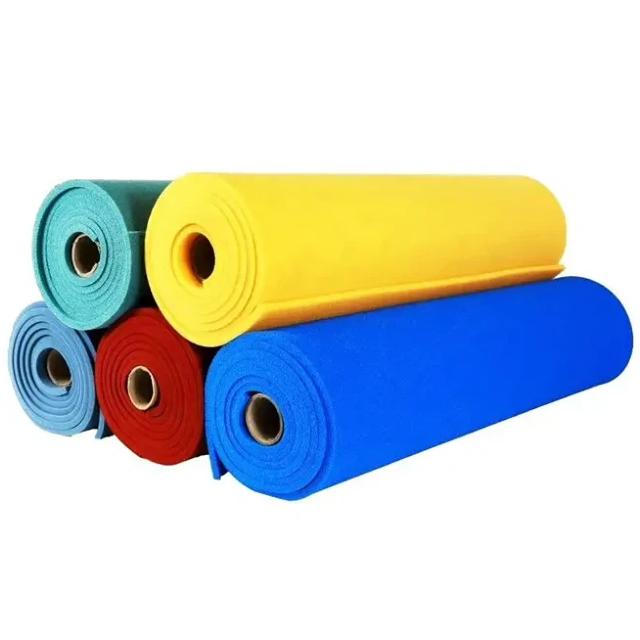
From a practical perspective, the difference between Silicone Foam and standard padding becomes evident in daily operation. Silicone Foam provides a stable and consistent surface, allowing garments to be pressed evenly with minimal adjustment.
Operators often report smoother handling, improved finishing quality, and reduced variability when using silicone-based materials. These improvements may seem small individually, but they add up significantly over time.
Standard padding, while initially cost-effective, may struggle to maintain performance under continuous use. This can lead to uneven results, increased rework, and slower production speeds.
While initial cost is an important factor, it should not be the only consideration when selecting padding materials. A lower upfront price may lead to higher long-term costs due to frequent replacements and reduced efficiency.
When evaluating options, it is important to consider total cost of ownership. This includes service life, maintenance requirements, and the impact on production efficiency. A more durable and reliable material can reduce overall expenses by minimizing downtime and improving workflow stability.
Silicone Foam is particularly well-suited for vacuum ironing tables and steam presses, where both heat and airflow must be carefully managed. In these systems, the padding layer plays a direct role in steam distribution and moisture removal.
Because vacuum systems rely on airflow to remove excess moisture, the permeability of the padding is critical. Silicone Foam supports this process by allowing air and steam to pass through efficiently.
In large-scale garment production and commercial laundry operations, consistency is essential. Small variations in finishing quality can lead to significant inefficiencies when multiplied across large volumes.
Silicone Foam helps maintain stable performance under continuous use, making it ideal for environments where reliability is a priority. By reducing variability, it supports smoother workflows and more predictable output.
Selecting the right padding material requires a clear understanding of the operating conditions. Factors such as steam intensity, pressure levels, and fabric types all influence the ideal choice.
For example, delicate fabrics may require a softer and more breathable support layer, while heavier materials may benefit from greater structural stability. Matching the material to these conditions helps ensure optimal performance.
In industrial settings, precision is essential. Padding materials must fit the equipment accurately and maintain consistent performance over time.
At iFeltek, we focus on delivering solutions tailored to specific applications. By providing customized dimensions and stable product quality, we help ensure that the material integrates seamlessly into the production process.
Comparison Point | Silicone Foam | Standard Padding | Impact on Daily Operation |
Heat resistance | Maintains structure under repeated heat | May degrade or harden over time | Stable performance vs frequent adjustments |
Resilience | Strong recovery after compression | Flattens with use | Consistent surface vs uneven pressure |
Steam permeability | High breathability | Limited airflow | Better drying vs moisture retention |
Service life | Longer lifespan | Shorter lifespan | Fewer replacements |
Maintenance | Lower maintenance needs | Higher maintenance frequency | Reduced downtime |
When comparing padding options for garment pressing, the decision should focus on long-term performance rather than short-term cost. Materials must support consistent pressing quality, efficient steam distribution, and durability under demanding conditions. Silicone Foam stands out as a solution that addresses these requirements, helping improve both efficiency and finishing results. At iFeltek, we are committed to providing materials that match the real needs of ironing applications, supporting customers in achieving stable and reliable production. If you are considering upgrading your ironing system with a more advanced silicone sponge alternative, contact us to explore solutions tailored to your operation.
1. Is Silicone Foam suitable for continuous industrial ironing use?
Yes, it is designed to withstand repeated heat cycles and continuous pressure, making it suitable for high-volume production environments.
2. Can Silicone Foam reduce rework in garment finishing?
It helps improve surface consistency and steam distribution, which can reduce defects and minimize the need for reprocessing.
3. Does Silicone Foam require special maintenance?
No, it generally requires less maintenance than standard padding due to its durability and resistance to heat and moisture.
4. How does Silicone Foam improve steam distribution?
Its porous structure allows steam to pass through evenly, ensuring better penetration and more consistent finishing results.
