


Views: 0 Author: Site Editor Publish Time: 2026-02-02 Origin: Site


In the world of industrial printing, the quality of printing pads plays a crucial role in the efficiency and performance of the production process. Whether you're involved in flexographic printing, gravure printing, or pad printing, choosing the right material for your printing pads is essential for achieving consistent and high-quality results. One of the most commonly used materials for printing pads is endless felt.
Endless felt has gained popularity in industrial printing due to its superior durability, uniformity, and excellent transfer characteristics. In this comprehensive guide, we will explore the benefits of endless felt for industrial printing pads, its applications, and the key factors to consider when selecting the best felt for your needs. Whether you're a manufacturer looking to optimize your printing processes or a supplier in need of a reliable material, this guide will help you make an informed decision.
At www.ifeltek.com/Felt-for-Through-feed-Sammying-Machine-pd771301298.html, we specialize in providing high-quality endless felt for industrial printing applications, ensuring that our clients receive the best material for their production processes. Let's dive into what makes endless felt a preferred choice for printing pads and how it can help improve your operations.
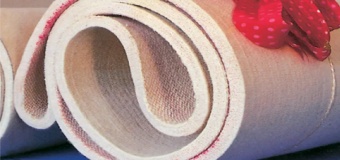
Endless felt is a type of woven fabric made from synthetic fibers that are bound together through a process that creates an uninterrupted, continuous loop. The material is commonly used in various industrial applications, especially in printing pads for flexographic, gravure, and pad printing systems. The endless design ensures uniform thickness and smoothness, making it ideal for printing applications that require high precision.
Unlike traditional felt, which may be cut into specific lengths, endless felt has no seams, ensuring consistent performance throughout its use. This seamless construction enhances its strength, resilience, and suitability for high-speed production environments, where consistent quality is paramount.
Endless felt has proven to be a key material in industrial printing due to its exceptional properties, which make it ideal for a variety of printing applications. Whether used in flexographic, gravure, or pad printing, endless felt offers a range of benefits that improve the efficiency, durability, and quality of the printing process. Below are the key advantages that make endless felt the preferred choice for industrial printing pads.
One of the most important qualities of endless felt is its durability. In industrial printing applications, where printing pads are subjected to constant wear and tear, durability is crucial. Endless felt is made from synthetic fibers that are highly resistant to abrasion and can maintain their shape and structure even after repeated use. This high wear resistance ensures that endless felt lasts longer than other materials, reducing the need for frequent replacements.
The ability of endless felt to withstand the stress of continuous usage makes it particularly valuable in industries with high-volume production, where printing pads undergo extensive wear. For example, in high-speed printing systems, the longevity of endless felt reduces downtime for maintenance or replacements, helping manufacturers to maintain productivity and meet tight deadlines.
The seamless construction of endless felt ensures that the material has a uniform thickness across its entire surface. This consistency is vital for maintaining high-quality printing results. When the material is uniform, it allows for smoother and more even transfers of ink, providing better print quality and fewer defects. In contrast, uneven thickness or seams in other materials can result in inconsistent ink distribution, leading to blotches or uneven prints.
For industries that require precise and consistent printing results, such as packaging, labeling, or textile printing, endless felt ensures that every print is clear and sharp. This reliable performance makes endless felt a go-to material for high-volume production that demands quality and efficiency.
One of the standout features of endless felt is its ability to efficiently transfer ink from the printing plate to the substrate. The structure of the felt allows it to absorb ink and release it consistently throughout the printing process, ensuring a smooth and continuous transfer. This efficient ink transfer is essential for achieving high-quality prints with clearer and sharper images.
For applications that require high-resolution printing, such as magazine printing, high-end packaging, or flexographic printing, endless felt ensures that the fine details are captured accurately. Its excellent ink retention and release properties make it particularly useful for industries that need to produce intricate designs or vibrant colors without compromising on quality.
Industrial printing often involves exposure to extreme conditions, such as high temperatures, chemicals, and solvents. Whether it’s heat, harsh chemicals, or abrasive solvents, endless felt is designed to withstand these challenging environments. Its resistance to temperature fluctuations and chemical degradation ensures that the felt maintains its performance, even under harsh conditions.
One of the key advantages of endless felt is its customizability. Manufacturers can adjust the thickness, density, and surface texture of the felt to meet the specific requirements of different printing systems. This flexibility ensures that the material is tailored for the unique needs of each printing application, resulting in optimal performance and efficiency.
The material composition of endless felt plays a significant role in its overall performance. Different types of synthetic fibers are used to manufacture endless felt, and the choice of fiber influences the felt's durability, absorbency, and flexibility. Common fibers used include polyester, nylon, and aramid fibers. Each of these materials offers unique benefits, so it's essential to choose the right one based on the specific demands of your printing process.
The thickness and density of the endless felt determine how much ink it can absorb and how efficiently it can transfer ink to the substrate. Thicker felts are ideal for applications that require high ink transfer, while thinner felts are better suited for fine-detail printing. The density of the felt also affects its resilience and wear resistance, so it's essential to select a density that meets the needs of your production environment.
The surface texture of endless felt plays a role in how well it interacts with the printing plate and the substrate. Some applications may require a smoother surface for fine details, while others may benefit from a rougher texture to ensure better ink adhesion. The right surface texture helps improve print quality and consistency.
Different printing methods require different properties from the printing pad. Endless felt must be compatible with the specific method you're using, whether it's flexographic, gravure, or pad printing. Each method has different requirements for ink transfer, pressure, and speed, so it's important to select a felt that aligns with the demands of your printing process.
Endless felt is widely used in various industries for different types of printing, including:
Flexographic Printing: Commonly used in packaging and labeling, where precise ink transfer and durability are essential.
Gravure Printing: Ideal for high-quality print applications in the publication and packaging sectors.
Pad Printing: Used for printing on irregular surfaces, such as promotional items and industrial components.
Factor | Importance |
Material Composition | Affects durability, absorbency, and flexibility. |
Thickness and Density | Determines ink transfer efficiency and overall resilience. |
Surface Texture | Impacts ink adhesion and print quality. |
Compatibility | Ensures the felt is suitable for the specific printing method. |
Choosing the right endless felt for your industrial printing pads is crucial for optimizing the performance of your printing system. With its durability, consistent performance, and enhanced ink transfer, endless felt offers significant benefits for industries that require high-quality printing. By considering factors such as material composition, thickness, surface texture, and compatibility, you can select the best endless felt to meet the specific needs of your printing processes.
At www.ifeltek.com, we provide high-quality endless felt designed to improve the performance of your industrial printing systems. Our felt products are made with precision to ensure that they meet the demands of various applications, from flexographic to gravure printing. Contact us today to learn more about how our products can enhance your manufacturing process.
The lifespan of endless felt depends on the specific application, frequency of use, and maintenance. Generally, with proper care, it can last for many years.
Yes, endless felt is compatible with both flexographic and gravure printing. However, the specific type of felt and its features may need to be tailored to suit each method.
Regular cleaning and proper storage are essential for maintaining endless felt. Make sure to remove ink residue and avoid exposure to harsh chemicals that could damage the material.
Yes, endless felt can be customized in terms of thickness, density, and surface texture to meet the specific needs of various printing methods.
