


Views: 0 Author: Site Editor Publish Time: 2026-01-20 Origin: Site


Endless felt, a versatile and durable material, has become an indispensable component in many industrial applications. This specialized form of felt, manufactured in continuous rolls without seams or joints, offers unique properties that make it an excellent choice for a wide range of industries. From conveyor systems to filtration processes, endless felt plays a crucial role in improving efficiency, reducing maintenance, and ensuring the longevity of machinery. As industries continue to evolve, the need for high-performance materials like endless felt has grown exponentially.
In this article, we will explore the many uses of endless felt in industrial settings, how it contributes to various processes, and the benefits it brings to companies looking for cost-effective, long-lasting solutions. Whether you are in the manufacturing, textile, or food industry, understanding the versatility of endless felt will help you leverage its full potential for your operations.
Endless felt is a type of felt that is produced in long, continuous rolls, without any joints or seams. Unlike traditional felt, which is produced in sheets and often requires bonding or stitching, endless felt is made to provide seamless coverage for processes where uniformity and durability are crucial. This continuous construction is achieved through a special process that involves compressing fibers into a dense, mat-like structure, followed by needling to interlock the fibers.
The characteristics of endless felt, such as its ability to withstand high temperatures, resist abrasion, and maintain consistent density, make it ideal for a variety of industrial uses. Its versatility stems from its adaptability to different materials, including wool, synthetic fibers, and blends, allowing it to meet the specific needs of various applications.
Endless felt, with its unique properties, has become an essential material across various industries due to its durability, versatility, and efficiency. This specialized product, made in continuous rolls without seams, is ideal for applications where uniformity and high performance are required. Its ability to withstand harsh conditions, reduce friction, and maintain high performance over long periods makes it indispensable for modern industrial processes. Below are some of the key industries where endless felt delivers significant benefits:
In manufacturing facilities, conveyor systems are pivotal for transporting materials and products through various stages of production. Endless felt is often used in conveyor belts due to its robust characteristics and smooth surface. Its ability to reduce friction makes it ideal for conveying fragile or sensitive materials without causing damage. Furthermore, the high durability and resistance to wear and tear ensure that conveyor systems run efficiently over extended periods, minimizing the need for frequent replacements.
Key Benefits of Endless Felt in Conveyor Systems:
Benefit | Explanation |
Reduced Friction | Endless felt reduces friction between the conveyor belt and materials, ensuring smooth and efficient transportation. |
Durability | The seamless construction ensures a longer lifespan, especially in high-demand environments where constant use is required. |
Non-Damaging Surface | The soft surface of endless felt prevents damage to fragile materials, ensuring smooth handling and transportation. |
This is particularly important in industries where the transportation of delicate or high-value products takes place, such as electronics or pharmaceuticals. The reduced friction also helps to increase the lifespan of the conveyor system, making endless felt a valuable choice for businesses looking to reduce operational costs and enhance the performance of their production lines.
Another critical application of endless felt is in filtration systems, where it acts as a filtering medium. Endless felt is especially effective in both liquid and air filtration processes due to its ability to trap particles while allowing the passage of fluids. It is used across industries such as wastewater treatment, food processing, and chemical manufacturing, where clean filtration is crucial for both the efficiency of the process and the quality of the final product.
Key Benefits of Endless Felt in Filtration Systems:
Benefit | Explanation |
Efficient Filtration | Endless felt’s fine structure ensures it can effectively trap particles and contaminants, providing high-quality filtration. |
Durability | The long-lasting nature of endless felt ensures minimal need for replacements in demanding filtration systems. |
Versatility | Suitable for both liquid and air filtration, making it an adaptable solution for various industrial needs. |
With its high-performance characteristics, endless felt helps optimize filtration processes, improving the quality of the final product and reducing downtime for system maintenance. As industries continue to grow and focus on environmental concerns, using sustainable filtration solutions like endless felt plays a key role in meeting both operational and environmental goals.
Endless felt plays an important role in textile manufacturing, particularly in wool carding, fabric finishing, and other fabric-related processes. In textile mills, endless felt is used to transport fibers and fabrics through machinery without causing friction or damage. The seamless nature of endless felt ensures that these processes run smoothly, without interruptions or issues related to alignment.
Key Benefits of Endless Felt in Textile Manufacturing:
Benefit | Explanation |
Smooth Transport | Endless felt ensures smooth movement of textiles, reducing friction and preserving fabric quality. |
Precision | The uniformity of endless felt helps maintain precision in manufacturing processes where consistency is key. |
Machine Longevity | By reducing friction and wear on machinery, endless felt helps extend the lifespan of expensive textile equipment. |
This makes endless felt a crucial material in high-precision textile manufacturing, where maintaining the integrity of the materials and the machinery is a top priority.
Endless felt is also widely used in pressing and drying machines, especially in industries like paper manufacturing. In these applications, endless felt plays a key role in the even distribution of pressure and heat across large surfaces, ensuring uniform drying or pressing of materials.
Key Benefits of Endless Felt in Pressing and Drying:
Benefit | Explanation |
Uniform Pressure | Endless felt ensures that pressure is evenly distributed across materials, preventing uneven drying or pressing. |
Increased Efficiency | The material’s durability and resistance to wear lead to smoother operations and more consistent output. |
Improved Product Quality | By eliminating weak spots, endless felt improves the quality of the final product in processes like paper manufacturing. |
The high durability and uniformity provided by endless felt help improve the overall efficiency of pressing and drying operations, making it a preferred choice in industries where production rates and material quality are closely linked.
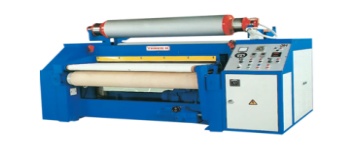
The versatility of endless felt is supported by several key benefits that make it a preferred material for industrial processes:
Endless felt's seamless design ensures a smooth and uninterrupted process. By reducing friction and wear, it helps machinery and equipment function more efficiently, leading to faster production times and increased output. Its ability to maintain consistent performance over time also minimizes downtime, which is crucial in high-production environments.
Investing in high-quality endless felt can lead to significant cost savings in the long term. Its durability reduces the frequency of replacements, while its high performance ensures that systems operate at peak efficiency. Furthermore, its versatile nature allows it to be used across various applications, reducing the need for multiple specialized materials and streamlining inventory management.
Endless felt is designed to withstand harsh industrial conditions, including high temperatures, pressure, and chemical exposure. Its resilience to wear and tear makes it a long-lasting material that performs consistently over time. This makes it a highly reliable choice for industries that require continuous operation and minimal maintenance.
Many endless felt products are made from recycled or eco-friendly materials, contributing to sustainable manufacturing practices. As industries place greater emphasis on environmental responsibility, using endless felt made from renewable or recyclable materials can help businesses meet sustainability goals and reduce their carbon footprint.
In conclusion, endless felt offers an exceptional range of benefits for industrial applications, making it an invaluable material in a variety of sectors. Its ability to reduce friction, enhance durability, and improve efficiency makes it ideal for applications ranging from conveyor systems to filtration processes. With its versatility, cost-effectiveness, and sustainability, endless felt is poised to remain a key material in the evolution of modern industrial processes.
If you're interested in exploring how endless felt can enhance your operations and contribute to more efficient manufacturing, contact www.ifeltek.com today for more information.
What industries use endless felt?
Endless felt is used across various industries such as textile manufacturing, paper production, food processing, and conveyor systems.
Why is endless felt preferred for filtration applications?
Endless felt is effective in trapping particles while allowing fluid flow, making it ideal for both liquid and air filtration systems.
How does endless felt improve efficiency in industrial settings?
By reducing friction and wear, endless felt ensures smoother operation and minimizes downtime, which boosts production efficiency.
Is endless felt environmentally friendly?
Yes, many endless felt products are made from recycled or eco-friendly materials, contributing to sustainable manufacturing practices.
