


Views: 0 Author: Site Editor Publish Time: 2026-01-23 Origin: Site


Endless felt, a unique fabric known for its seamless construction, plays a significant role in many industries, including textiles. In textile manufacturing, endless felt is used for a variety of purposes, offering numerous advantages in terms of performance, durability, and cost-effectiveness. This material's versatility makes it ideal for several applications, ranging from the production of garments to machine components. This article will explore the diverse applications of endless felt in the textile industry and its various benefits, shedding light on how it has become an indispensable part of textile manufacturing.
Endless felt is a critical component in several textile manufacturing processes. It is primarily used in areas where high wear resistance, heat insulation, and smooth surface interaction are required. Here are some of the primary applications of endless felt in the textile industry:
Spinning and Weaving: Endless felt is used as a conveyor belt in weaving and spinning processes, where its smooth surface ensures that threads are handled without causing damage or friction. The absence of seams ensures continuous operation and reduces downtime.
Pressing and Ironing: In the textile industry, endless felt is used in the pressing and ironing stages, where it helps in applying consistent heat and pressure to fabrics without damaging the material. The soft yet durable nature of endless felt helps protect the fabric while enhancing the quality of pressing.
Finishing Processes: Endless felt is also employed in various finishing processes, such as dyeing and fabric treatment, where it provides an even surface for materials and ensures uniform distribution of chemicals or dyes.
Textile Coating: Endless felt plays a role in textile coating processes, helping to evenly distribute coatings over fabrics to enhance their strength, durability, or appearance.
Quality Control: Endless felt is also used in quality control, where its consistency helps ensure that the final product meets the required standards. Its durable nature prevents wear during inspection processes.
Endless felt has proven to be an essential material in the textile manufacturing industry, offering a wide range of benefits that contribute to operational efficiency, cost savings, and sustainability. Below, we dive deeper into the key advantages of using endless felt in textile production:
Durability
The seamless construction of endless felt ensures superior durability compared to traditional felt products that may suffer from wear and tear at the seams. In textile manufacturing environments, where machinery runs at high speeds and operates under constant use, the longevity of materials is crucial. Endless felt can withstand the mechanical stress involved in textile processes, such as weaving, pressing, and dyeing. This durability ensures that the material maintains its integrity for a longer period, reducing the frequency of replacements and minimizing operational disruptions.
Additionally, the absence of seams eliminates potential weak points in the material, which can often tear or fray over time in traditional felt. This makes endless felt a more reliable and robust option, especially in high-speed and high-stress applications.
Heat Resistance
Another significant benefit of endless felt is its heat-resistant properties. The textile industry often requires materials that can withstand high temperatures, especially in processes like pressing, ironing, and dyeing. Endless felt can handle these elevated temperatures without losing its structural integrity or performance. For example, in ironing and pressing machines, where the application of heat is critical for shaping fabrics, endless felt provides a reliable surface that can maintain performance under extreme conditions.
The material’s heat resistance also ensures that it does not degrade over time, even when exposed to high temperatures during production. This ability to maintain its functionality in high-heat environments is essential in various textile manufacturing processes.
Cost-Effectiveness
Endless felt’s long lifespan directly contributes to its cost-effectiveness in textile manufacturing. Unlike traditional felt materials that wear out quickly, endless felt’s durability means manufacturers will not have to replace it frequently. This reduces operational costs over time, as well as the labor required for replacements and maintenance. The fewer replacements needed translate into cost savings, not only for the felt material itself but also for associated labor and downtime.
Environmental Impact
In today’s manufacturing landscape, sustainability is a growing concern. Endless felt contributes to sustainability by reducing the need for frequent material replacements and minimizing waste. Since endless felt lasts longer than traditional materials, fewer resources are consumed in production, and less waste is generated from discarded materials.
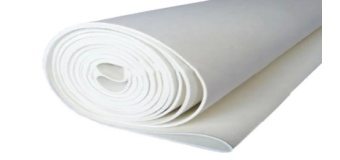
Endless felt plays a crucial role in improving efficiency in textile production. Its seamless design and exceptional durability contribute to smoother, faster, and more reliable operations. Let’s break down how endless felt enhances textile manufacturing efficiency:
Minimizing Friction and Downtime
The smooth surface of endless felt reduces friction between the moving parts of machinery, leading to less wear on the equipment and a more efficient production process. Friction can slow down operations, and excessive wear can cause machinery malfunctions and downtime. By minimizing friction, endless felt helps maintain optimal machine performance, reducing the risk of operational delays and breakdowns.
Continuous Operation
Unlike traditional felt, which is often prone to failure at seams, endless felt ensures continuous operation without interruptions. The seamless nature of the material ensures that there are no weak points that could fail under pressure, thus ensuring uninterrupted production. This continuous operation is vital in textile manufacturing, where downtime can lead to costly delays and reduced productivity.
Speed and Flexibility
Endless felt’s flexibility allows it to conform to the shapes and contours of various surfaces in textile machinery. Whether used for smoothing, pressing, or other processes, the material’s ability to adapt to complex shapes ensures that the textile production process remains swift and efficient. Additionally, its flexibility allows for seamless integration into various stages of production, from weaving to dyeing, enhancing the overall speed of operations.
Reduced Waste
The durability and consistency of endless felt ensure that manufacturers can rely on it for longer periods without frequent replacements. This reduction in material waste further contributes to efficiency by minimizing the need for additional resources, packaging, and handling associated with new felt rolls. Manufacturers can also better manage their inventory, reducing waste-related costs.
| Benefit | Description |
|---|---|
| Minimizing Friction and Downtime | The smooth surface of endless felt reduces friction between moving parts, minimizing wear on equipment and reducing the risk of operational delays and breakdowns. |
| Continuous Operation | The seamless nature of endless felt ensures uninterrupted production, reducing the potential for failures at seams and eliminating downtime. |
| Speed and Flexibility | Endless felt's flexibility allows it to adapt to various machine surfaces and processes, maintaining speed and efficiency across different production stages. |
| Reduced Waste | The durability of endless felt reduces the need for frequent replacements, leading to less waste and better inventory management. |
Sustainability has become a focal point in the textile industry, and endless felt contributes significantly to this movement. The benefits of endless felt in promoting sustainability go beyond its recyclability and longevity. Below are some ways endless felt contributes to sustainable textile production:
Fewer Replacements, Less Waste
Endless felt’s superior durability means fewer replacements are required, leading to less waste in the manufacturing process. Traditional felt materials, which degrade over time, contribute to waste accumulation, which then requires proper disposal or recycling. Endless felt, being longer-lasting and more robust, helps reduce the overall waste generated in production.
Energy Savings
The reduction in downtime and increased machine efficiency associated with endless felt translates into energy savings. When machines operate more smoothly, they consume less energy, contributing to lower energy consumption in textile production. This energy efficiency is vital in an industry where high energy costs are common.
Lower Environmental Impact
With fewer replacements needed and the ability to be recycled, endless felt significantly reduces the environmental impact of textile manufacturing. Manufacturers that use endless felt in their operations can reduce their carbon footprint, supporting their sustainability goals and meeting the growing demand for eco-friendly products.
Supporting Circular Economy
Endless felt’s recyclability makes it an integral part of the circular economy in textile manufacturing. By being reused and recycled, the material helps close the loop in production, preventing unnecessary waste and encouraging resource efficiency. This contributes to a more sustainable, resource-conscious production process.
Endless felt has proven to be an invaluable material in the textile industry, offering numerous benefits such as durability, cost-effectiveness, heat resistance, and sustainability. Its versatility allows it to be used in various textile manufacturing processes, from weaving and spinning to finishing and quality control. Manufacturers that incorporate endless felt into their operations can experience improved efficiency, reduced operational costs, and enhanced product quality.
At www.ifeltek.com, we provide high-quality endless felt solutions tailored to meet the specific needs of textile manufacturers. Our products are designed to enhance your production processes and help you achieve superior results. For more information on how endless felt can benefit your business, feel free to reach out to our team.
What makes endless felt different from regular felt?
Endless felt has no seams, which makes it more durable and ensures continuous operation without interruptions. This feature eliminates potential weak points that can be found in regular felt.
Can endless felt be used in other industries besides textiles?
Yes, endless felt is used in various industries such as automotive, packaging, and paper manufacturing due to its durability and ability to withstand high wear.
How does endless felt improve efficiency in textile manufacturing?
Endless felt improves efficiency by providing a smooth, durable surface that minimizes friction, reduces downtime, and enhances the overall speed of textile production.
Is endless felt environmentally friendly?
Yes, endless felt is environmentally friendly due to its long lifespan, which reduces the need for frequent replacements, as well as its potential for being recycled after use.
