


Views: 225 Author: Site Editor Publish Time: 2023-07-03 Origin: Site


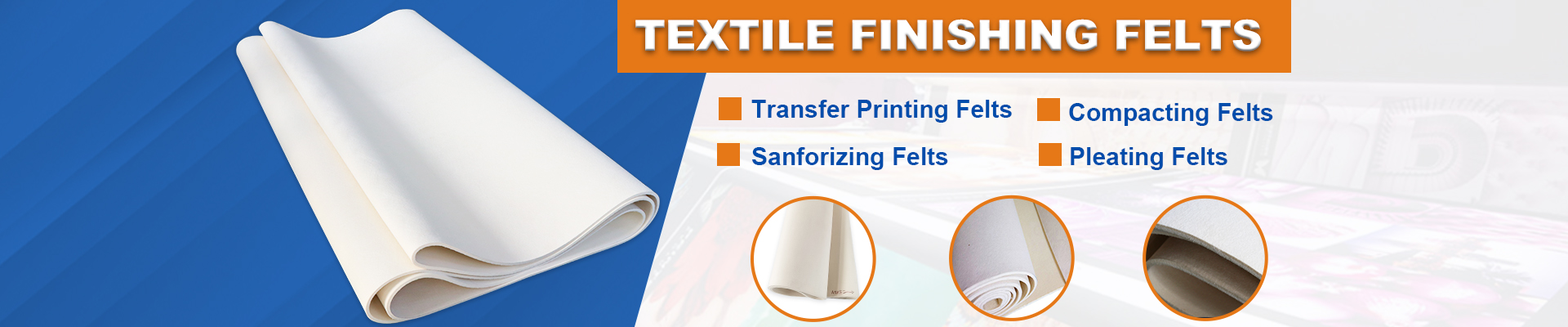
Nomex felt is a high-quality, heat-resistant material commonly used in various industrial applications, one of them being heat transfer printing. Derived from aramid fibers, this felt is renowned for its heat resistance, strength, and durability. So, why does this matter in your printing process? Let's delve into the details.
Nomex, a trademarked product from DuPont, has been around since the 1960s. Initially used for making fire-resistant racing suits, its excellent heat resistance soon found applications across various industries, including printing.
A heat transfer printing machine, as the name suggests, uses heat to transfer designs onto various surfaces. It's a popular choice in the textile industry, known for its versatility and capacity for intricate, multi-color designs.
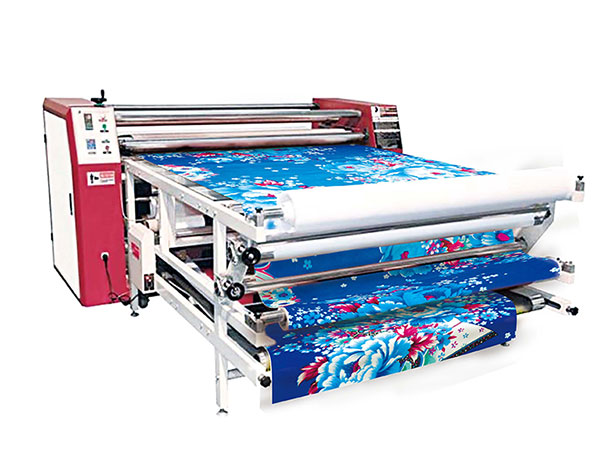
You might wonder, where does the Nomex felt fit into this picture? Well, the felt acts as a conveyor belt, carrying the material to be printed through the heat press. Its high heat tolerance ensures that the felt won't degrade or catch fire, while its firm yet flexible nature helps achieve a uniform and quality print.
1. Impact on Quality
Nomex felt plays a crucial role in ensuring the quality of heat transfer prints. The evenly dense structure of the felt ensures that the heat from the press is evenly distributed, which results in uniform and precise prints. Uneven heat distribution can lead to irregularities in the prints, an issue that Nomex felt adeptly mitigates.
2. Impact on Efficiency
The durability of Nomex felt makes it a more efficient choice for heat transfer printing. With a longer lifespan compared to other materials, there is less frequent replacement, leading to less downtime for the machine and improved productivity.
3. Impact on Longevity
The use of Nomex felt in a heat transfer printing machine not only affects the quality and efficiency of the prints but also the lifespan of the machine itself. Nomex felt's resistance to high temperatures and its durability reduce wear and tear on the machine, resulting in a longer lifespan.
1. Comparison with Polyester Felt
While polyester felt is also commonly used in heat transfer printing, it falls short of Nomex felt in a few key areas. For one, Nomex felt has a higher temperature resistance, able to withstand heat up to 250°C, while polyester felt can only resist heat up to about 180°C. This makes Nomex felt a superior choice for applications that require high temperatures.
2. Comparison with PTFE Coated Felt
PTFE (Polytetrafluoroethylene) coated felt is another contender. It offers excellent non-stick properties and high heat resistance. However, Nomex felt comes out ahead in terms of durability, with a more robust structure that can withstand prolonged exposure to heat and pressure better than PTFE coated felt.
1. Endless Needled Nomex Felt
This is a popular type of Nomex felt used in heat transfer printing. It's known for its excellent heat resistance and durability. The needling process also provides a smooth surface, which is essential for achieving quality prints.

2. Nomex Felt Pad
The Nomex felt pad is a critical component of a flatbed heat press machine. Its seamless design and durable structure make it a top choice for ensuring a smooth and efficient printing process.


1. Assessing the Application
Before choosing the Nomex felt for your machine, you need to assess your application. This involves understanding the materials you will be printing on and the temperatures you will be working with.
2. Assessing the Machine
The type of heat transfer printing machine you have will also influence your choice of Nomex felt. Different machines require different types of felt, be it an endless needled Nomex felt, or a Nomex felt pad.
3. Nomex Felt Thickness and Density
The thickness and density of the Nomex felt can also affect the printing process. Thicker, denser felt tends to have a higher heat resistance and longevity, but it may not be suitable for all applications.
1. Regular Cleaning
Regular cleaning is vital to ensure the longevity of your Nomex felt. Any ink residue or debris can affect the print quality and the efficiency of the machine.
2. Dealing with Wear and Tear
While Nomex felt is incredibly durable, it's not immune to wear and tear. Regular inspection for signs of damage and timely replacement can help maintain optimal performance.
3. When to Replace Your Nomex Felt
Knowing when to replace your Nomex felt is key. Signs of wear, such as thinning, pilling, or burns, indicate that it's time for a replacement.
1. Heat Damage
Despite its high heat resistance, Nomex felt can get damaged if exposed to excessively high temperatures. Ensuring that your machine operates within the recommended temperature range can prevent such issues.
2. Shrinking or Stretching
Over time, Nomex felt can shrink or stretch due to constant exposure to heat and pressure. Regular monitoring and timely adjustments can help overcome this issue.
3. Tension Issues
Inappropriate tension can lead to irregular prints and damage to the Nomex felt. Regularly checking and adjusting the tension can help maintain optimal performance.
1. Innovations on the Horizon
The future of Nomex felt in heat transfer printing looks bright, with ongoing research and development focusing on improving its heat resistance, durability, and sustainability.
2. The Sustainability Factor
With growing environmental consciousness, the need for sustainable printing solutions is paramount. Nomex felt's longevity and potential for recycling make it an appealing choice from an eco-friendly perspective.
1. What is the maximum temperature that Nomex felt can withstand?
Nomex felt can withstand temperatures up to 250°C. This high heat resistance makes it an ideal material for heat transfer printing.
2. Is Nomex felt eco-friendly?
Yes, Nomex felt is considered eco-friendly due to its longevity and potential for recycling.
3. How often should I replace my Nomex felt?
The replacement frequency of Nomex felt depends on its usage and condition. However, signs of wear, such as thinning, pilling, or burns, indicate that it's time for a replacement.
4. Can I use Nomex felt for all types of heat transfer printing machines?
While Nomex felt is versatile, the type of machine you have will influence the type of felt you need. It's best to consult your machine's manufacturer or a printing expert to make the right choice.
5. Does the thickness of the Nomex felt affect the print quality?
Yes, the thickness and density of the Nomex felt can affect the heat distribution and thus, the print quality. It's essential to choose the right thickness and density for your specific application.
6. Is Nomex felt more efficient than other materials?
Nomex felt is renowned for its heat resistance, durability, and efficiency. Compared to other materials, it offers longer service life, leading to less downtime and higher productivity.
In conclusion, Nomex felt for heat transfer printing machines is a game-changing material that enhances print quality, ensures efficiency, and promises longevity. With a comprehensive understanding of this material and proper maintenance, you can unlock the full potential of your heat transfer printing machine.
